Invoice Discounting vs Factoring for Businesses: What to Choose in 2026
Cash flow problems rarely arrive with a warning. One month sales look strong, the next you are chasing late payments while payroll, VAT, and suppliers wait patiently. If this feels familiar, you are not alone. Across the UK, thousands of growing businesses turn to invoice finance every year, not because they are failing, but because they are scaling.
Yet one question keeps coming up in conversations with business owners. Invoice discounting vs factoring. Which one actually fits your business in 2026?
Let us break it down without the fluff and help you make a confident decision.
Why unpaid invoices still hurt UK businesses in 2026
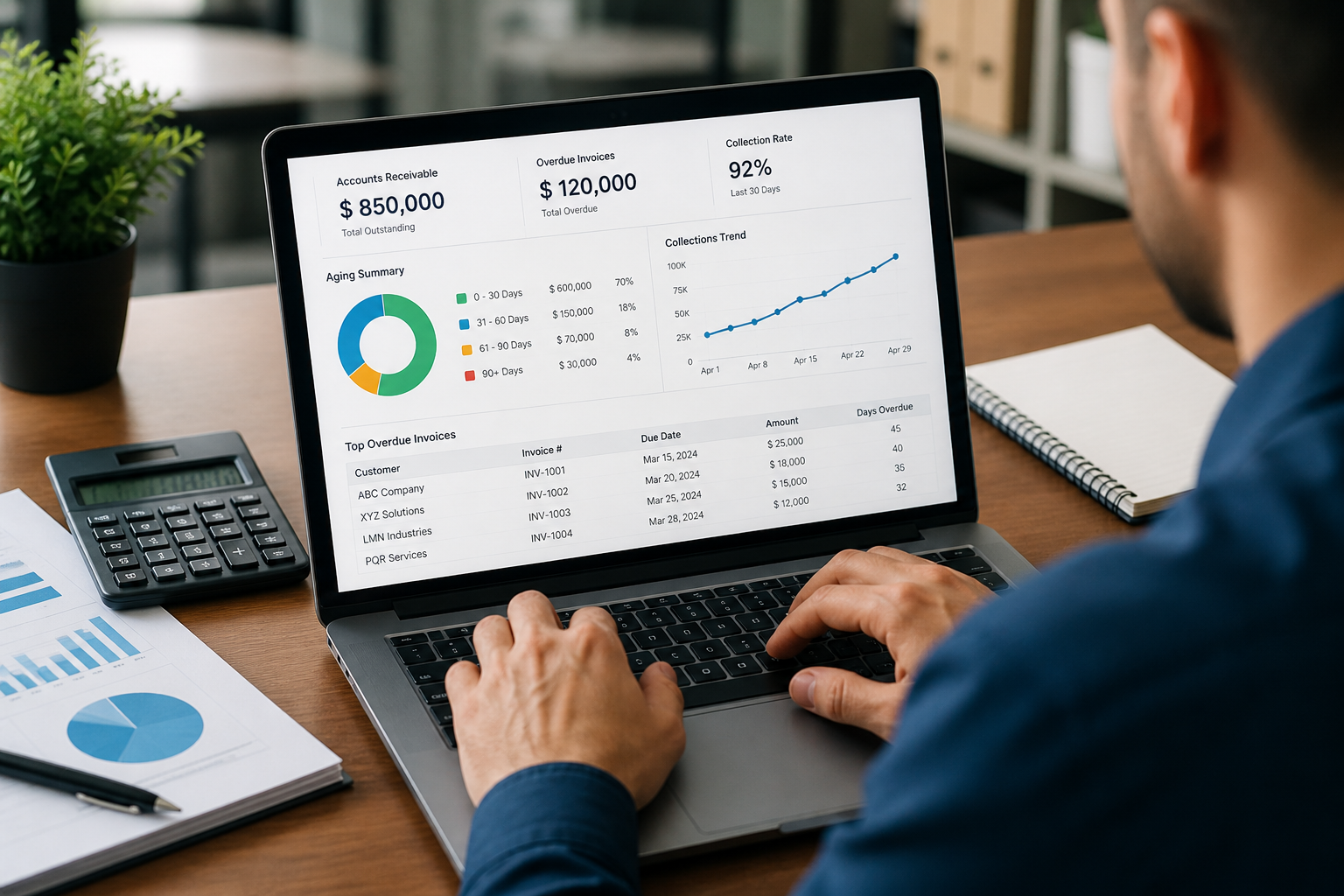
Despite better tech and faster payments, many UK SMEs still wait 30, 60, even 90 days to get paid. That delay creates pressure. You might be profitable on paper, but cash poor in reality. Growth stalls. Opportunities pass.
This is where invoice finance earns its keep. Instead of waiting, you unlock the value tied up in your invoices and use your own money sooner.
Two routes dominate the conversation. Invoice Factoring and invoice discounting. They sound similar. In practice, they feel very different.
Understanding invoice factoring in real terms
Invoice Factoring is often the first stop for smaller or younger businesses.
Here is how it works in everyday life. You issue an invoice. The factoring provider advances most of its value within 24 hours. They then take over credit control, chasing payment from your customer. Once the invoice is paid, you receive the balance minus fees.
When Invoice Factoring makes sense
If your business does not have the time or systems to manage credit control, factoring can feel like a relief. The phone calls. The follow ups. The awkward payment conversations. Someone else handles them.
It suits businesses that want support as well as funding. Startups, trades, logistics firms, recruitment agencies, and fast growing service businesses often find comfort here.
Things to be aware of
Your customers will know you are using a factor. For some industries, that is no issue at all. For others, it can feel sensitive. You are also handing over customer communication, which requires trust.
What invoice discounting really looks like day to day
Invoice discounting works on the same funding principle, but with a quieter presence.
You still raise invoices. You still receive a large percentage of the value quickly. The difference is simple. You stay in control. You manage your own sales ledger and customer relationships. Your clients never need to know you are using funding.
Why businesses choose invoice discounting
Larger SMEs and established companies often prefer discretion. They already have strong finance teams or systems in place. They want funding, not interference.
Invoice discounting feels more like a financial tool than a partnership. It slots neatly into the background while you focus on growth.
The trade off
Because you retain responsibility, providers expect stronger financial discipline. Clean ledgers. Reliable customers. Solid reporting. It is not about size, but about structure.
Invoice discounting vs factoring for businesses in 2026
So how do you choose?
The decision is less about cost and more about control.
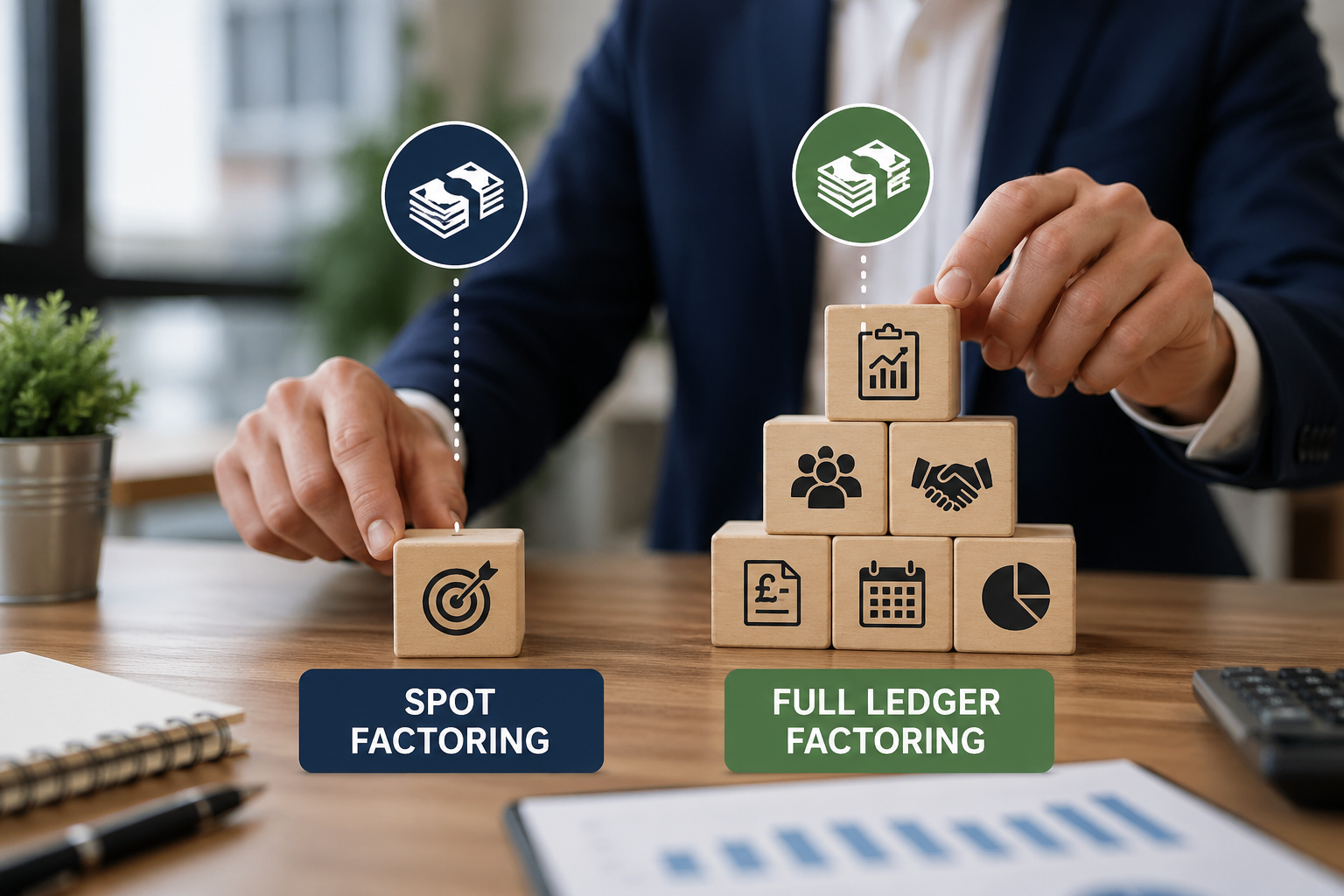
If you want hands on support and someone to manage collections, Invoice Factoring offers peace and breathing room. If you want privacy and autonomy, invoice discounting delivers quiet flexibility.
In 2026, lenders are also more flexible than ever. Hybrid solutions exist. Confidential factoring. Selective invoice finance. The lines are blurring, but the core differences still matter.
Cost considerations without the scare tactics
Fees vary depending on turnover, invoice volume, and customer risk. Factoring typically costs more due to the added service of credit control. Invoice discounting is often cheaper, but assumes internal capability.
The smartest move is not chasing the lowest rate. It is choosing a structure that saves time, reduces stress, and supports growth. A slightly higher fee that frees your mental space often pays for itself.
How UK businesses are using invoice finance to grow
We regularly see businesses using Invoice finance not to survive, but to accelerate.
A marketing agency funds new hires without waiting on corporate clients. A wholesaler secures bulk stock discounts by paying suppliers early. A manufacturer accepts larger orders without worrying about cash gaps.
None of these are desperate decisions. They are strategic ones.
Choosing the right partner matters more than the product
Whether you choose Invoice Factoring or invoice discounting, the provider relationship matters. Transparency. Flexibility. Clear communication. No hidden traps.
A good provider explains risks as well as benefits. They ask about your customers, not just your turnover. They adapt as your business evolves.
At Best Factoring, the focus is matching solutions to real businesses, not pushing one size fits all products.
Final thoughts before you decide
The debate around invoice discounting vs factoring often misses the human side. This is about how you like to run your business. How much control you want. How much support you need.
There is no right answer for everyone. Only the right answer for you, right now.
If cash flow is holding you back, doing nothing is the only wrong choice.
Speak to a specialist. Ask uncomfortable questions. Explore your options. Your future self will thank you.
FAQs
1. What is the main difference between invoice discounting and factoring?
Ans. The key difference is control. With factoring, the provider manages customer payments. With invoice discounting, you keep control of your sales ledger.
2. Is invoice finance suitable for small UK businesses?
Ans. Yes. Many small and medium businesses use Invoice finance to stabilise cash flow and support growth, especially where customers pay late.
3. Will my customers know if I use invoice discounting?
Ans. Typically no. Invoice discounting is usually confidential, meaning customers are unaware of the funding arrangement.
4. Is Invoice Factoring expensive?
Ans. Costs vary. Factoring includes credit control services, which increases fees, but also saves time and resources for many businesses.
5. Can I switch from factoring to invoice discounting later?
Ans. Absolutely. Many businesses start with factoring and move to invoice discounting as they grow and build internal finance capability.
Discover the Latest Trends
Stay informed with our latest articles and resources.