Who Qualifies for Invoice Receivable Financing? Approval Criteria
Cash flow problems rarely show up with a dramatic warning.
They usually arrive quietly… right between sending an invoice and waiting (and waiting) to get paid.
If you’re running a UK business, especially a growing startup or SME, you already know the awkward gap: work is done, invoice is issued, but the bank balance doesn’t care until the customer pays.
That’s exactly where invoice receivable financing comes in.
But here’s the real question business owners ask (often at 11pm while staring at overdue payments):
Do I actually qualify for it?
Let’s break it down properly, without fluff.
What Is Invoice Receivable Financing in Simple Terms?
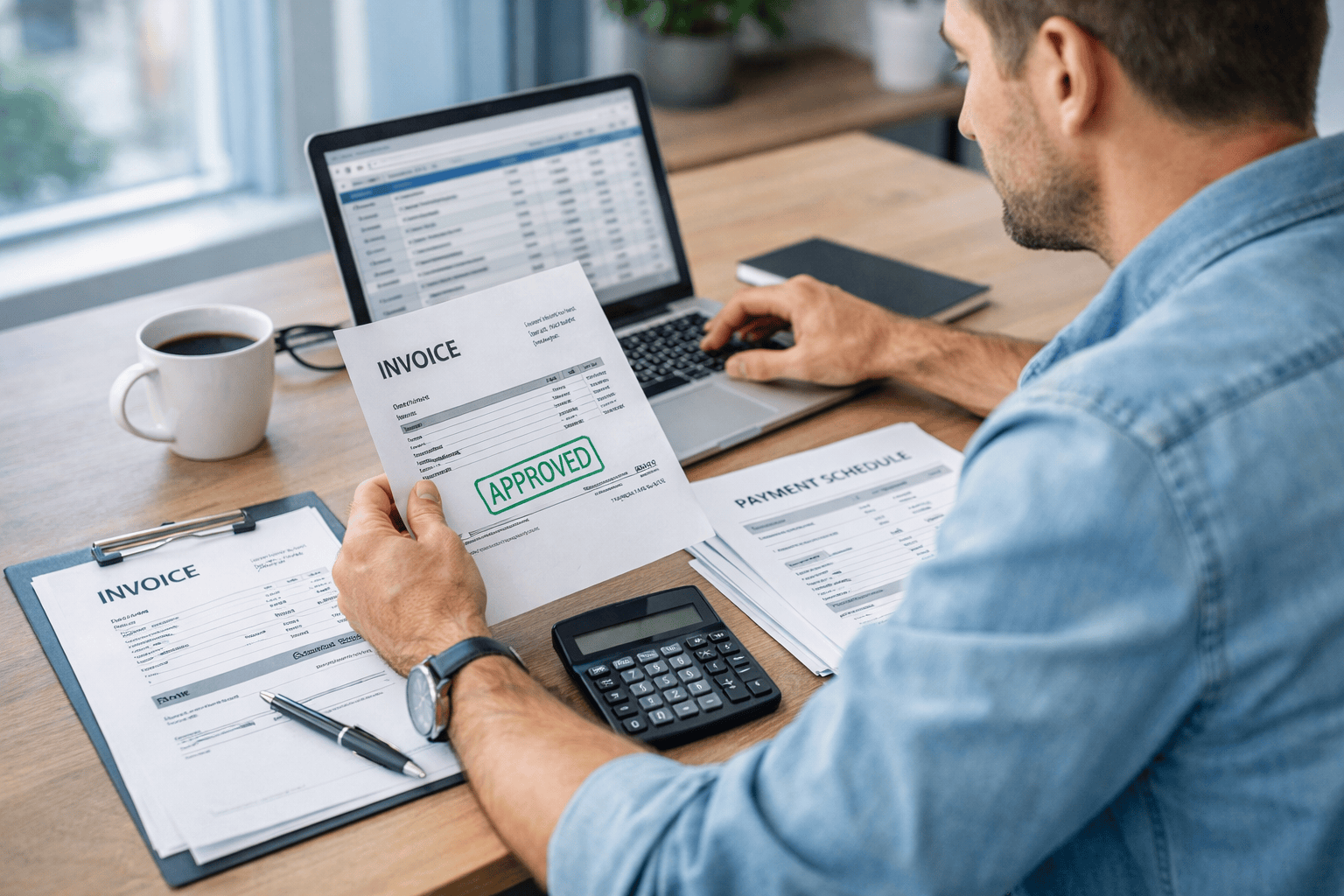
Invoice receivable financing is a funding option that allows you to unlock cash tied up in unpaid invoices.
Instead of waiting 30, 60, even 90 days, you can access funds almost immediately.
It’s a bit like ordering food, paying for it, but the restaurant says, “Cheers, we’ll deliver your meal in three months.”
You’d laugh, right?
Yet businesses deal with delayed payments every day.
Who Typically Qualifies for Invoice Receivable Financing?
The good news is, approval is often more flexible than traditional business loans.
That’s because lenders focus less on your company’s past and more on the invoices you’re holding today.
Here’s what matters most.
1. You Must Have Outstanding Business Invoices
Sounds obvious, but it’s the foundation.
To qualify, you need invoices that are:
- Already issued
- For completed work or delivered goods
- Owed by another business (B2B)
Consumer invoices don’t usually count.
If you’re working with retailers, contractors, wholesalers, agencies, or service providers, you’re already in the right territory.
2. Your Customers’ Creditworthiness Matters More Than Yours
This surprises many business owners.
With invoice receivable financing, lenders care most about whether your customers are likely to pay.
So even if your business is new, you can still qualify if you invoice strong, reliable companies.
It’s like having a friend vouch for you at the door of an exclusive club.
If your clients have solid payment histories, that works in your favour.
3. Your Business Should Operate in the UK
Most providers (including those offering support through Best Factoring) work with UK-based businesses trading domestically or internationally.
You’ll generally need:
- A registered UK company
- A business bank account
- UK trading invoices
Simple enough.
4. You Need a Consistent Sales Ledger
One invoice here and there might not be enough.
Providers like to see a pattern of trading, such as:
- Regular invoicing each month
- Multiple customers
- Ongoing contracts
It shows stability.
Not perfection. Just consistency.
If your invoice book looks like a steady stream rather than a random drip, you’re in a stronger position.
5. Clean, Dispute-Free Invoices Are Essential
Let’s be real.
If your customer is arguing about the work, the lender won’t want to fund that invoice.
Invoices should be:
- Accurate
- Not overdue by months
- Free from disputes
- Backed by proof of delivery or service
A clean invoice is a fundable invoice.
Invoice Finance vs Factoring vs Discounting: Does It Affect Eligibility?
Yes, slightly.
Many UK businesses explore options like:
- Invoice finance for flexible cash flow support
- Invoice Factoring where the provider may manage collections
- Invoice discounting where you stay in control of customer payments
Your eligibility can depend on how hands-on you want the funding partner to be.
A smaller startup may find factoring easier to access, while established firms often prefer discounting.
You can explore these solutions through trusted specialists like Best Factoring.
Common Industries That Qualify Easily
Some sectors practically live on invoices:
- Recruitment agencies
- Construction subcontractors
- Transport and logistics
- Manufacturing suppliers
- Marketing and creative agencies
If you’re in one of these, you’re not alone. Late payments are almost a rite of passage.
If You Invoice Businesses, You May Already Qualify
Invoice receivable financing isn’t just for companies in trouble.
It’s for businesses that are growing, hiring, buying stock, and simply don’t want to wait around for payments.
If you’ve got solid invoices and customers who pay, you’re already halfway there.
So ask yourself:
Why should your business slow down just because someone else takes 60 days to press “send payment”?
If you want to explore options like Invoice finance, Invoice Factoring, or invoice discounting, visit Best Factoring and see what funding could look like for your business.
FAQs
1. Can startups qualify for invoice receivable financing?
Ans. Yes, many startups qualify as long as they have B2B invoices and creditworthy customers.
2. Do I need perfect credit to be approved?
Ans. Not usually. Approval is more focused on your customers’ ability to pay than your own credit score.
3. How quickly can I access funds?
Ans. Often within 24 to 48 hours once invoices are verified and the facility is set up.
4. What invoices are not eligible?
Ans. Disputed invoices, consumer invoices, or very overdue invoices are typically not accepted.
5. Is invoice discounting harder to qualify for than factoring?
Ans. Slightly. Invoice discounting usually requires stronger internal credit control, while factoring offers more support.
Discover the Latest Trends
Stay informed with our latest articles and resources.