How Logistics Companies Maintain Daily Cash Flow Using Factoring
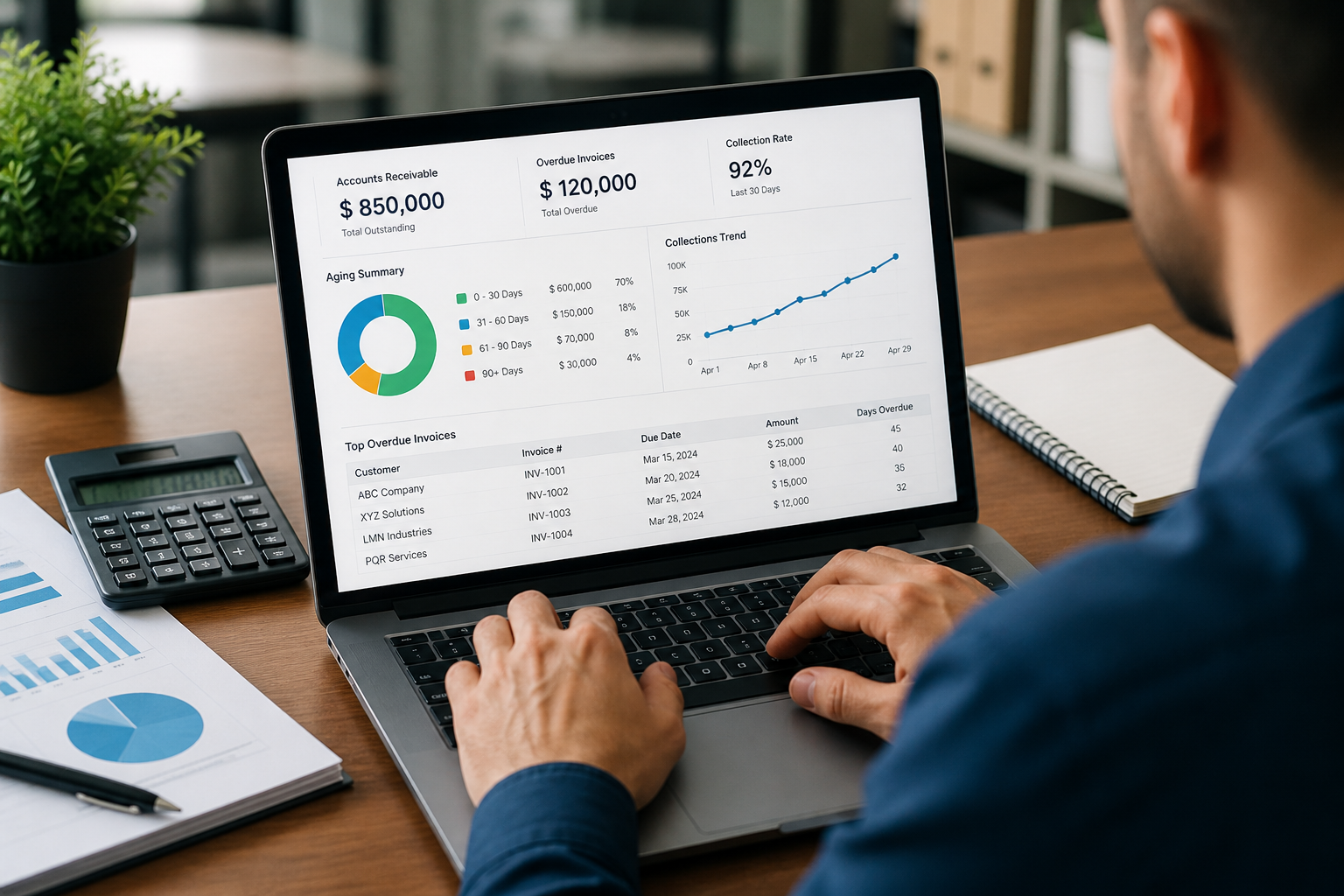
Running a logistics business is a constant financial balancing act. Deliveries are completed, invoices are issued, and then the waiting begins. Payment terms of 30, 60, or even 90 days are common across the UK logistics sector.
Meanwhile, expenses do not wait.
Fuel must be paid for. Drivers expect wages on time. Vehicles need maintenance to stay compliant and operational. This gap between earning revenue and receiving it is one of the most common causes of cash flow pressure in logistics.
That is where factoring for logistics businesses provides a practical and reliable solution.
Why Cash Flow Becomes Unpredictable in Logistics
Cash flow challenges in logistics rarely come from a lack of work. They arise from delayed payments combined with immediate operational costs.
Many logistics businesses work with larger clients who negotiate extended payment terms. While these contracts bring stability and volume, they also delay incoming cash.
At the same time, key expenses remain constant:
- Fuel costs, often paid upfront or on short credit cycles
- Driver wages, which follow fixed payroll schedules
- Vehicle repairs and servicing, essential for safety and compliance
- Insurance premiums and regulatory costs
This creates a timing mismatch that can disrupt even well-performing businesses.
How Factoring Helps Logistics Companies Cash Flow
Invoice factoring allows logistics businesses to access cash tied up in unpaid invoices without waiting for customers to pay.
The process is straightforward and widely used across the UK:
- You complete a delivery and issue an invoice
- A factoring provider advances a percentage of the invoice value, typically between 70% and 90%
- Your customer pays the invoice to the factoring provider
- The remaining balance is released to you, minus agreed fees
The exact advance rate and fees depend on factors such as customer creditworthiness, invoice volume, and agreed terms.
This approach improves working capital while avoiding the structure of traditional loans.
Invoice Factoring for Trucking and Logistics Companies
Factoring aligns naturally with the logistics business model.
Transport and freight companies generate frequent invoices but often face delayed payments. Factoring bridges this gap by providing access to funds shortly after invoicing.
It is commonly used by:
- Haulage companies managing ongoing contracts
- Courier businesses with high invoice turnover
- Freight forwarders dealing with international payment cycles
Unlike traditional lending, factoring is largely based on the strength of your customers’ ability to pay. This makes it a viable option for growing businesses that may not yet meet strict bank lending criteria.
How to Improve Cash Flow in a Logistics Business Fast
Improving cash flow requires a combination of funding solutions and operational discipline.
Here are proven steps that can deliver results:
1. Use Invoice Factoring Selectively
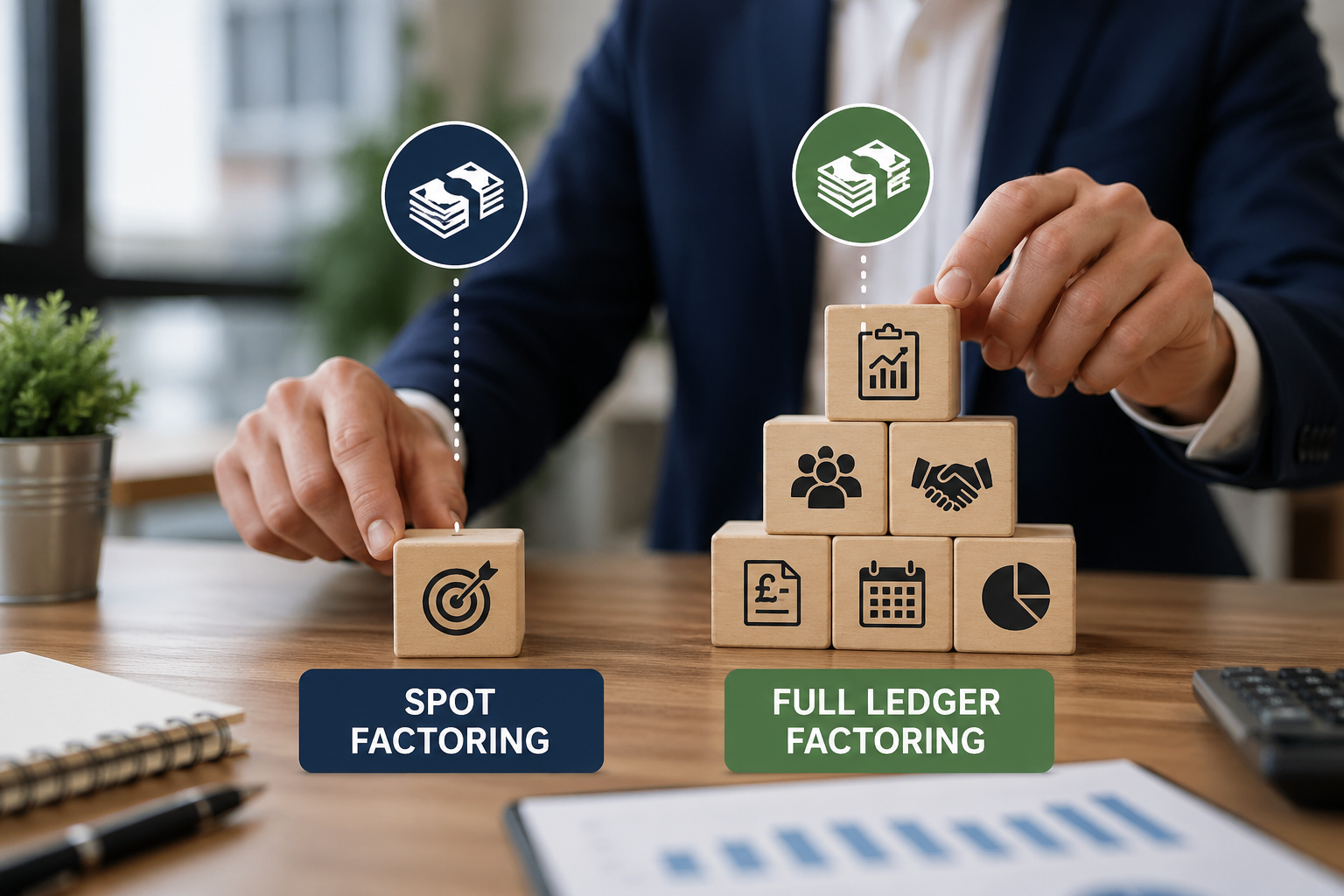
Factoring specific invoices, particularly from slow-paying clients, can provide targeted cash flow support without increasing overall costs unnecessarily.
2. Consider Broader Invoice Finance Options
Solutions such as Invoice finance and invoice discounting offer flexibility. Invoice discounting, for example, allows you to retain control of customer relationships while still improving cash flow.
3. Review and Negotiate Payment Terms
Where possible, agree on shorter payment terms or offer early payment incentives to customers.
4. Monitor Cash Flow Consistently
Regular tracking, ideally on a weekly basis, helps identify potential shortfalls before they become critical.
5. Improve Cost Efficiency
Optimising routes, reducing fuel waste, and maintaining vehicles proactively can lower operating costs and ease cash pressure.
Is Invoice Factoring Good for Freight and Logistics Companies?
Invoice factoring can be highly effective, but it should be used with a clear understanding of its role.
It works well when:
- Customers have strong and reliable payment histories
- The business generates consistent invoice volumes
- Additional working capital is needed to support growth or stability
It may be less suitable when:
- Customers frequently delay or dispute payments
- Profit margins are too tight to accommodate factoring fees
- The business prefers to manage all customer communications internally
A careful assessment ensures factoring supports both short-term cash flow and long-term profitability.
Choosing the Right Factoring Partner in the UK
Selecting a factoring provider is a critical decision. A suitable partner will offer both financial support and industry understanding.
Key factors to consider include:
- Experience with logistics, transport, or freight businesses
- Transparent pricing with clearly defined fees
- Reliable funding timelines
- Flexible contract terms
- Optional credit control services
Taking time to evaluate providers helps avoid unexpected costs and ensures the service fits your business operations.
Factoring Compared to Other Funding Options
Different funding options serve different purposes. Understanding the differences helps in making an informed decision.
Invoice Factoring
- Provides access to cash based on outstanding invoices
- Funding increases as sales grow
- No fixed repayment schedule
Bank Loans
- Offer a fixed lump sum
- Require regular repayments with interest
- Approval depends on financial history and credit profile
Overdraft Facilities
- Provide short-term flexibility
- Have predefined limits and variable costs
- Can be reviewed or withdrawn by the lender
Factoring offers flexibility, but costs and terms should always be assessed carefully.
A Practical Scenario
A UK-based logistics company secured a contract with extended payment terms of 60 days. While revenue increased, cash flow became tighter due to rising operational costs.
By using Invoice Factoring for selected invoices, the company improved its cash position. This enabled it to meet expenses on time and continue operations without disruption or additional borrowing.
Turning Invoices into Usable Cash
Delayed payments are a standard part of the logistics industry. However, they do not have to limit your ability to operate or grow.
Factoring provides a structured way to access funds that are already earned, helping maintain stability in day-to-day operations.
If your business regularly experiences delays between invoicing and payment, it may be worth considering whether factoring for logistics businesses fits your financial approach.
Visit Best Factoring to explore funding solutions designed to support consistent cash flow and business growth.
FAQs
1. How does factoring help logistics companies cash flow?
Ans. It allows businesses to access funds from unpaid invoices early, helping cover operational costs without waiting for customer payments.
2. Is invoice factoring suitable for small logistics businesses?
Ans. Yes, as long as the business works with creditworthy customers and generates regular invoices.
3. What is the difference between invoice factoring and invoice discounting?
Ans. Factoring typically involves the provider managing collections, while invoice discounting allows the business to retain control over customer payments.
4. How much does invoice factoring cost in the UK?
Ans. Costs vary depending on provider, invoice volume, and customer risk. Fees usually include a service charge and a funding charge.
5. How quickly can funds be accessed through factoring?
Ans. Funds are often available within one to two working days after invoice approval, depending on the provider.
Discover the Latest Trends
Stay informed with our latest articles and resources.