Debt Factoring Advantages and Disadvantages: Is It the Right Choice for Your Business?
Cash flow challenges rarely appear because a business is failing. They usually appear because customers take time to pay.
Across the UK, delayed payments remain a serious issue for small and medium sized businesses. Research from Federation of Small Businesses has repeatedly shown that late payments cost UK small firms billions of pounds each year and force many businesses to rely on external funding to keep operations running smoothly.
A company may deliver products, complete a project, and send the invoice, yet the payment arrives 60 or even 90 days later. Meanwhile salaries, suppliers, rent, and tax obligations continue on schedule.
This is where factoring debt becomes a practical financial tool. By turning unpaid invoices into immediate working capital, businesses can stabilise cash flow and continue operating without waiting for customers to settle their accounts.
Before choosing this solution, it helps to understand the debt factoring advantages and disadvantages based on how the system actually works in real business environments.
What Is Factoring Debt?
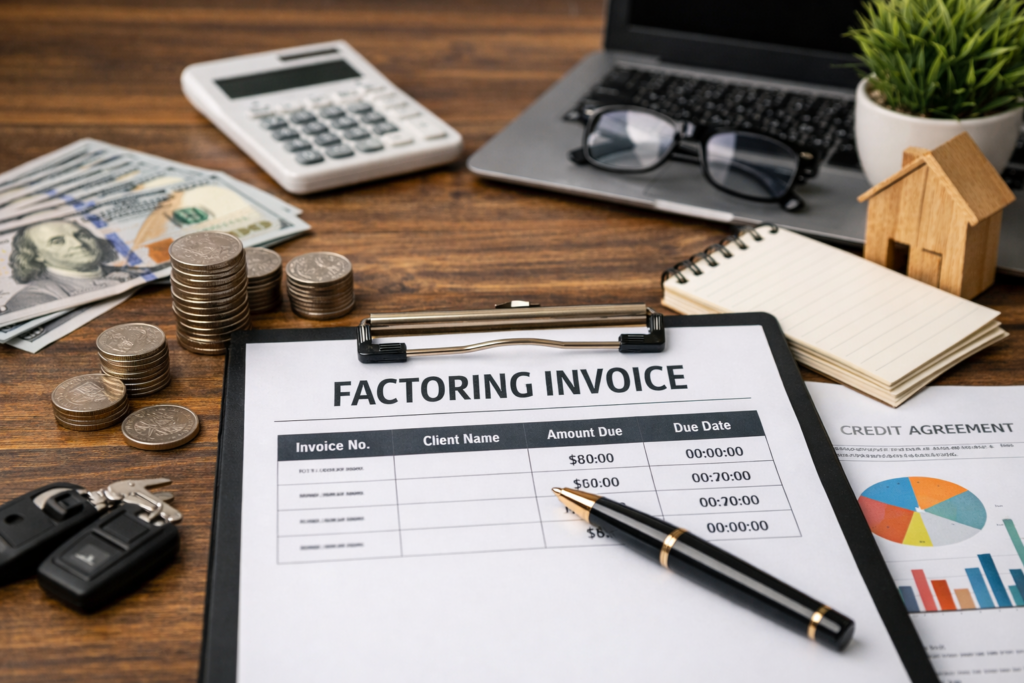
Factoring debt is a financial arrangement where a business sells its unpaid invoices to a specialist finance provider. The provider advances a large portion of the invoice value upfront and collects payment from the customer when the invoice becomes due.
According to UK Finance, invoice finance products including factoring support tens of thousands of UK businesses every year by unlocking billions of pounds tied up in unpaid invoices.
In a typical factoring structure:
- The finance provider advances 70 to 90 percent of the invoice value within one or two working days
- The remaining balance is released once the customer pays
- A service fee and discount charge are deducted by the provider
Many businesses explore factoring alongside related funding options such as Invoice finance, Invoice Factoring, and invoice discounting, each offering different levels of customer involvement and credit control support.
Key Advantages of Factoring Debt

Immediate Cash Flow from Outstanding Invoices
The primary benefit of factoring is speed.
Instead of waiting several weeks for payment, businesses receive most of the invoice value almost immediately. For companies operating on tight margins or high operating costs, this quick access to capital helps maintain stability.
Industries such as recruitment, transport, construction supply, and wholesale distribution commonly experience payment terms of 30 to 90 days, which makes factoring particularly valuable.
Funding That Grows Alongside Sales
Traditional business loans provide a fixed amount of funding. Factoring works differently because the available funding increases as your sales grow.
If a business issues more invoices, the value of those invoices can be factored. This means working capital rises naturally as the company expands.
For growing businesses, this structure removes one of the biggest financial barriers to scaling operations.
Reduced Pressure on Internal Credit Control
A major operational advantage of factoring lies in credit management. Many factoring providers take responsibility for monitoring invoice payments and contacting customers when payments are due.
For small businesses without a dedicated finance department, chasing overdue invoices can take hours every week. Delegating this responsibility allows business owners to focus on core activities such as sales, product development, and customer service.
Easier Access Than Traditional Bank Loans
Banks usually require strong financial records, collateral, and a lengthy approval process.
Factoring providers focus primarily on the creditworthiness of the business’s customers. If your clients are financially stable companies that consistently pay invoices, approval for factoring is often faster and more accessible.
This makes factoring a viable option for newer businesses or companies that are growing faster than their available cash reserves.
Disadvantages of Factoring Debt

Despite its benefits, factoring also comes with considerations that business owners must evaluate carefully.
Service Fees and Funding Costs
Factoring is not free funding. Providers charge a service fee along with a discount rate for advancing funds.
Industry estimates suggest that factoring costs typically range from 1 percent to 5 percent of the invoice value, depending on factors such as sales volume, customer reliability, and contract structure.
While this cost reduces profit margins slightly, many businesses accept the expense in exchange for improved cash flow stability.
Customer Visibility
In most factoring arrangements, customers are aware that a third party manages the invoice payment process. Payments are directed to the factoring provider rather than the original business.
Although reputable factoring companies maintain professional communication, some business owners prefer to maintain direct control over client relationships. In such cases, invoice discounting may provide a more discreet alternative.
Contract Terms and Commitments
Factoring agreements sometimes include minimum contract periods or volume commitments. Some providers require businesses to factor all invoices rather than selecting specific customers.
Understanding the contractual details before signing an agreement ensures the funding structure aligns with long term business plans.
When Factoring Debt Works Best
Factoring is particularly effective for businesses that:
- Operate on long payment terms with other businesses
- Experience steady invoice volumes each month
- Need predictable working capital to support growth
- Spend significant time chasing unpaid invoices
Recruitment agencies provide a classic example. They often pay staff weekly while clients settle invoices after 60 days. Without invoice finance support, this gap can create significant financial pressure.
By factoring invoices, recruitment firms can pay workers on time while waiting for clients to pay.
Is Factoring Debt the Right Choice for Your Business?
Every business owner eventually faces the same financial question. Should you wait patiently for invoices to clear, or unlock that money earlier and keep operations moving?
Factoring debt offers a practical solution to one of the most common problems in the UK business landscape. By converting unpaid invoices into immediate capital, companies gain the flexibility to manage expenses, accept larger contracts, and grow without constant cash flow pressure.
Businesses that explore options such as Invoice finance, Invoice Factoring, or invoice discounting often discover that these funding tools are not emergency fixes. When used correctly, they become part of a long term financial strategy that supports steady expansion.
If delayed payments are limiting your ability to invest, hire, or expand operations, factoring may provide the financial breathing space your business needs.
FAQs
1. What does factoring debt mean for a business?
Ans. Factoring debt means selling unpaid invoices to a finance provider in exchange for immediate cash. The provider then collects payment from the customer when the invoice becomes due.
2. How much funding can businesses receive through factoring?
Ans. Most factoring companies advance between 70 percent and 90 percent of the invoice value shortly after the invoice is issued.
3. Is factoring widely used in the UK?
Ans. Yes. According to industry data from UK Finance, invoice finance products support thousands of UK businesses and release billions of pounds in working capital each year.
4. Does factoring affect customer relationships?
Ans. Customers normally pay the factoring company directly. Professional providers handle communication carefully to maintain positive business relationships.
5. What is the difference between factoring and invoice discounting?
Ans. Factoring usually includes credit control services and customer contact. Invoice discounting allows the business to keep control of collections while still receiving early funding against invoices.
Discover the Latest Trends
Stay informed with our latest articles and resources.