Invoice Factoring Process Explained: Step by Step Guide for Small Businesses (2026)
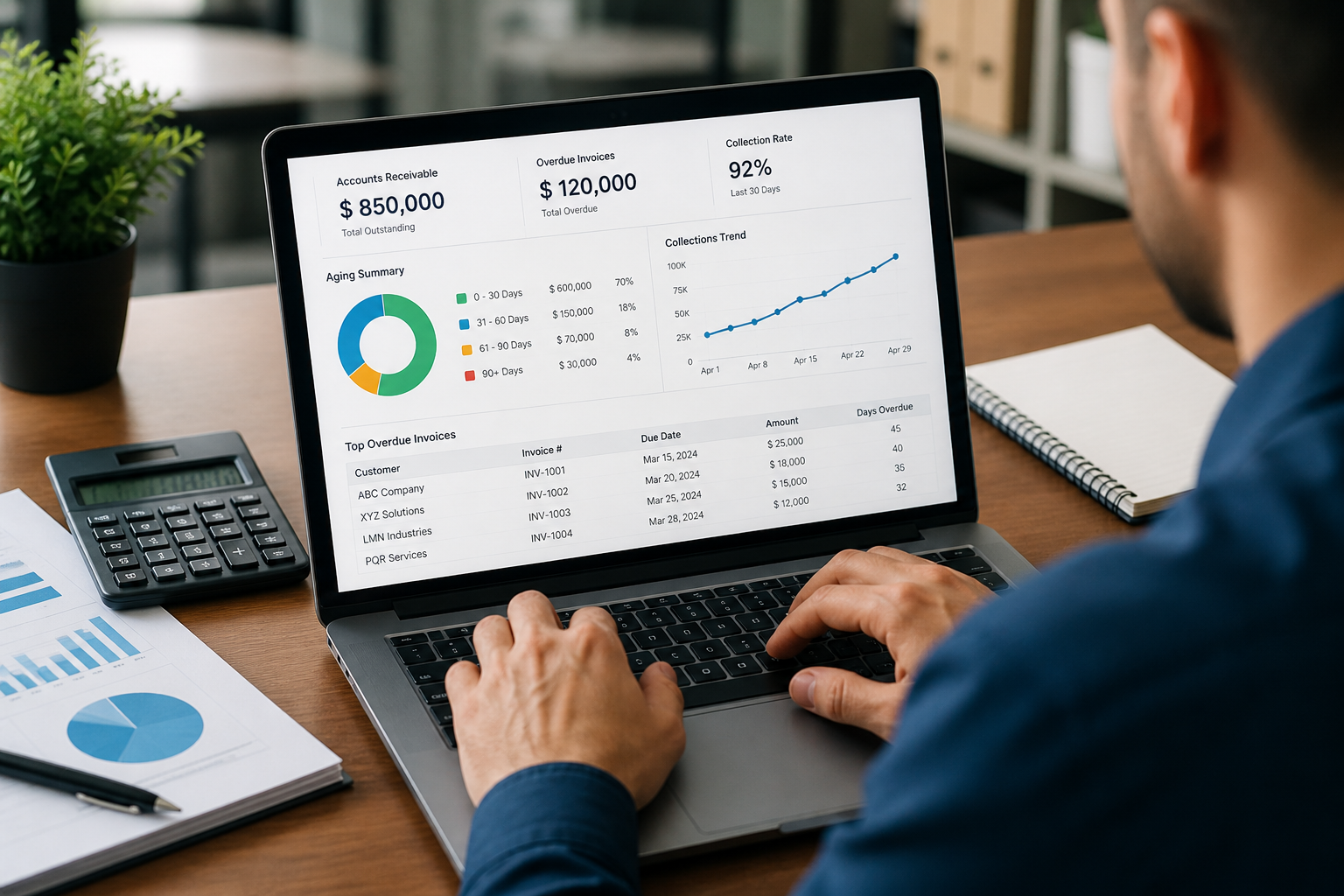
Late payments remain one of the biggest obstacles for small businesses in the UK. According to data from the Federation of Small Businesses, thousands of SMEs struggle with cash flow every year simply because invoices take 30, 60, or even 90 days to be paid.
That delay creates a familiar headache. Payroll is due. Suppliers expect payment. Growth opportunities appear at the worst possible time.
This is where Invoice Factoring becomes a practical financial tool. Instead of waiting months for payment, businesses can unlock the cash tied up in unpaid invoices. The solution is part of a wider funding category known as Invoice finance, and it has helped thousands of UK companies stabilise their cash flow.
If you have heard the term but never fully understood how it works, the invoice factoring process is actually simpler than many business owners expect.
Let’s walk through it step by step.
What Is the Invoice Factoring Process?
The invoice factoring process allows a business to sell its unpaid invoices to a factoring company in exchange for an immediate cash advance.
Rather than chasing customers for payment while struggling with operating expenses, the business receives most of the invoice value upfront. The factoring provider then collects payment from the customer later.
Think of it as converting your invoices into working capital.
For companies that operate on long payment terms, it often becomes a lifeline rather than just a convenience.
Step 1: Your Business Provides Goods or Services
Everything begins exactly as it normally would.
You deliver your product or service to a client and issue an invoice. That invoice might have payment terms of 30, 60, or sometimes even 90 days.
For example, a recruitment agency supplies staff to a corporate client and raises a £10,000 invoice payable within 45 days.
Under normal circumstances, the agency must wait those 45 days to receive the cash. That delay can put pressure on wages, rent, and everyday expenses.
With Invoice Factoring, the waiting period disappears.
Step 2: Submit the Invoice to the Factoring Company
Once the invoice is issued, the business sends a copy to the factoring provider.
At this point, the factoring company verifies a few details such as:
- The invoice amount
- The customer’s creditworthiness
- The agreed payment terms
Most providers use digital platforms, so this step often takes minutes rather than days.
The invoice now becomes the asset that unlocks funding.
Step 3: Receive an Immediate Cash Advance
After verification, the factoring company releases a percentage of the invoice value. This is known as the advance rate.
In the UK market, businesses typically receive 80 to 90 percent of the invoice upfront.
Returning to our earlier example:
Invoice value: £10,000
Advance rate: 85%
Immediate funding received: £8,500
That money lands in your business account quickly, often within 24 to 48 hours.
For many SMEs, this step alone transforms their financial breathing room.
Step 4: The Factoring Company Manages Payment Collection
One distinctive feature of Invoice Factoring is that the provider manages the credit control process.
This means the factoring company:
- Tracks invoice due dates
- Sends reminders to customers
- Collects payment when it becomes due
Some business owners appreciate this support because chasing late payments can consume hours every week. Others initially worry about losing control of customer relationships. In reality, reputable providers handle collections professionally and discreetly.
Step 5: Final Payment Is Released
When the customer finally pays the invoice, the factoring provider releases the remaining balance to your business.
Before sending it, they deduct their service fee.
Continuing the earlier example:
Invoice amount: £10,000
Advance already paid: £8,500
Factoring fee: £300
Remaining balance returned to the business: £1,200
The entire invoice factoring process is now complete.
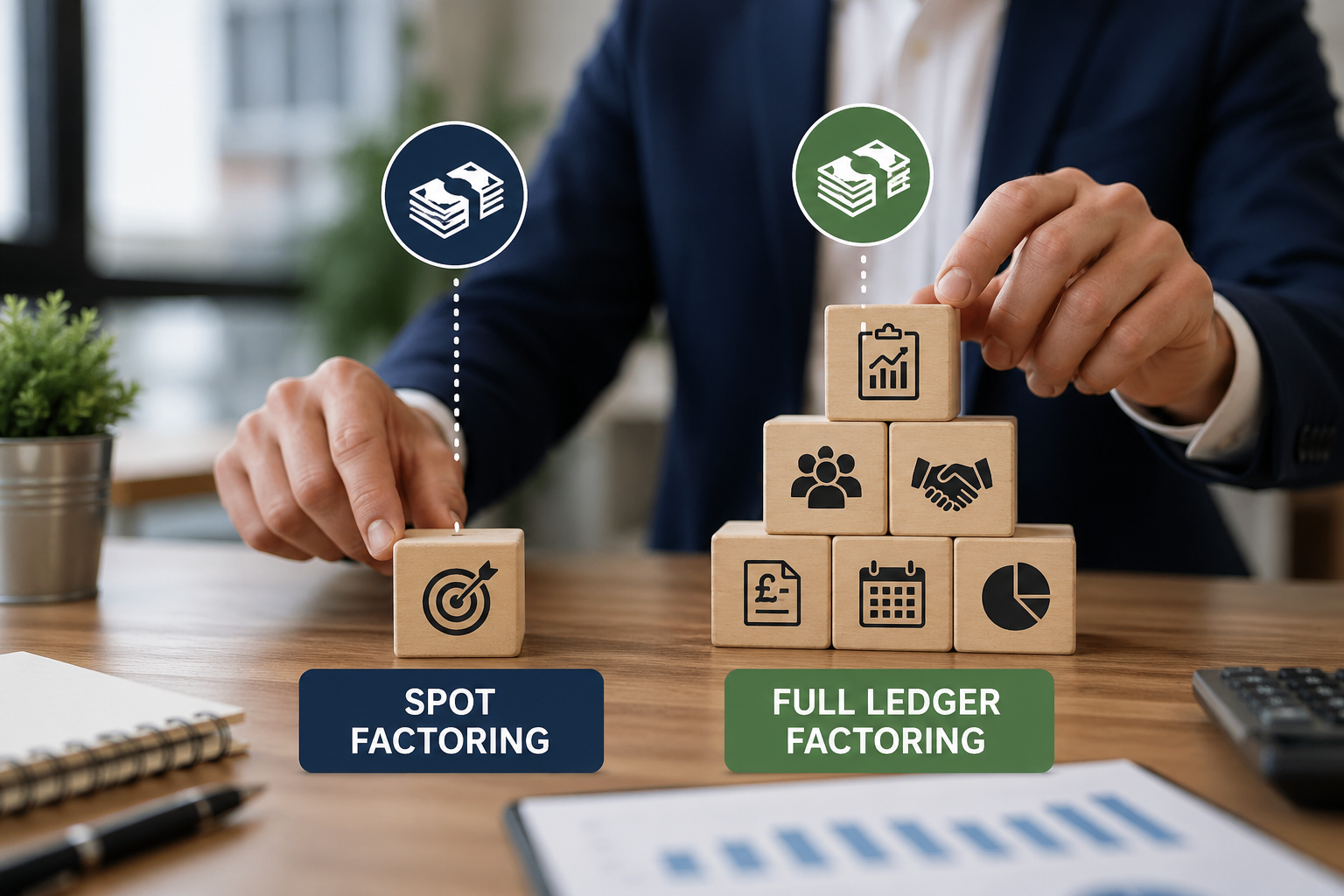
Invoice Factoring vs Invoice Discounting
Both funding methods fall under Invoice finance, but they operate slightly differently.
Invoice Factoring
- Factoring company collects payment from customers
- Ideal for small businesses with limited credit control resources
- Customer is aware of the factoring arrangement
Invoice Discounting
- Business keeps control of payment collection
- Customers often remain unaware of the funding arrangement
- Usually suited for larger or more established companies
The choice often depends on how much administrative support a business needs.
Why UK SMEs Use Invoice Factoring
Small businesses rarely struggle because of a lack of sales. More often, they struggle because of slow payments.
The invoice factoring process solves that gap by turning unpaid invoices into immediate working capital.
Common reasons businesses choose it include:
- Maintaining steady cash flow
- Paying staff and suppliers on time
- Funding growth without traditional loans
- Reducing time spent chasing payments
Recruitment agencies, transport firms, construction companies, and wholesalers frequently rely on this type of funding because their industries run on extended payment terms.
Final Thoughts
Cash flow problems rarely appear because a business is failing. They appear because money is locked inside unpaid invoices.
The invoice factoring process gives SMEs a straightforward way to access that money without taking on long term debt or waiting months for clients to settle accounts.
For many UK businesses, it becomes less about emergency funding and more about building stability. Reliable cash flow allows owners to focus on growth, hiring, and new opportunities instead of constantly watching the bank balance.
If unpaid invoices are slowing your business down, exploring Invoice finance solutions through a trusted provider could be the turning point.
FAQs
1. How long does the invoice factoring process take?
Ans. Most businesses receive funding within 24 to 48 hours after submitting an approved invoice.
2. Do customers know when a company uses Invoice Factoring?
Ans. Yes. In factoring arrangements, the provider usually manages payment collection and communicates with customers.
3. Is invoice factoring suitable for small businesses?
Ans. Yes. Many UK SMEs use it because it provides quick access to cash tied up in invoices.
4. What industries commonly use invoice factoring?
Ans. Recruitment, logistics, construction, manufacturing, and wholesale businesses frequently use it.
5. What is the difference between Invoice Factoring and invoice discounting?
Ans. Factoring includes payment collection by the provider, while invoice discounting allows the business to manage collections itself.
Discover the Latest Trends
Stay informed with our latest articles and resources.