What Is Invoice Financing? A Complete Guide for Small & Growing Businesses
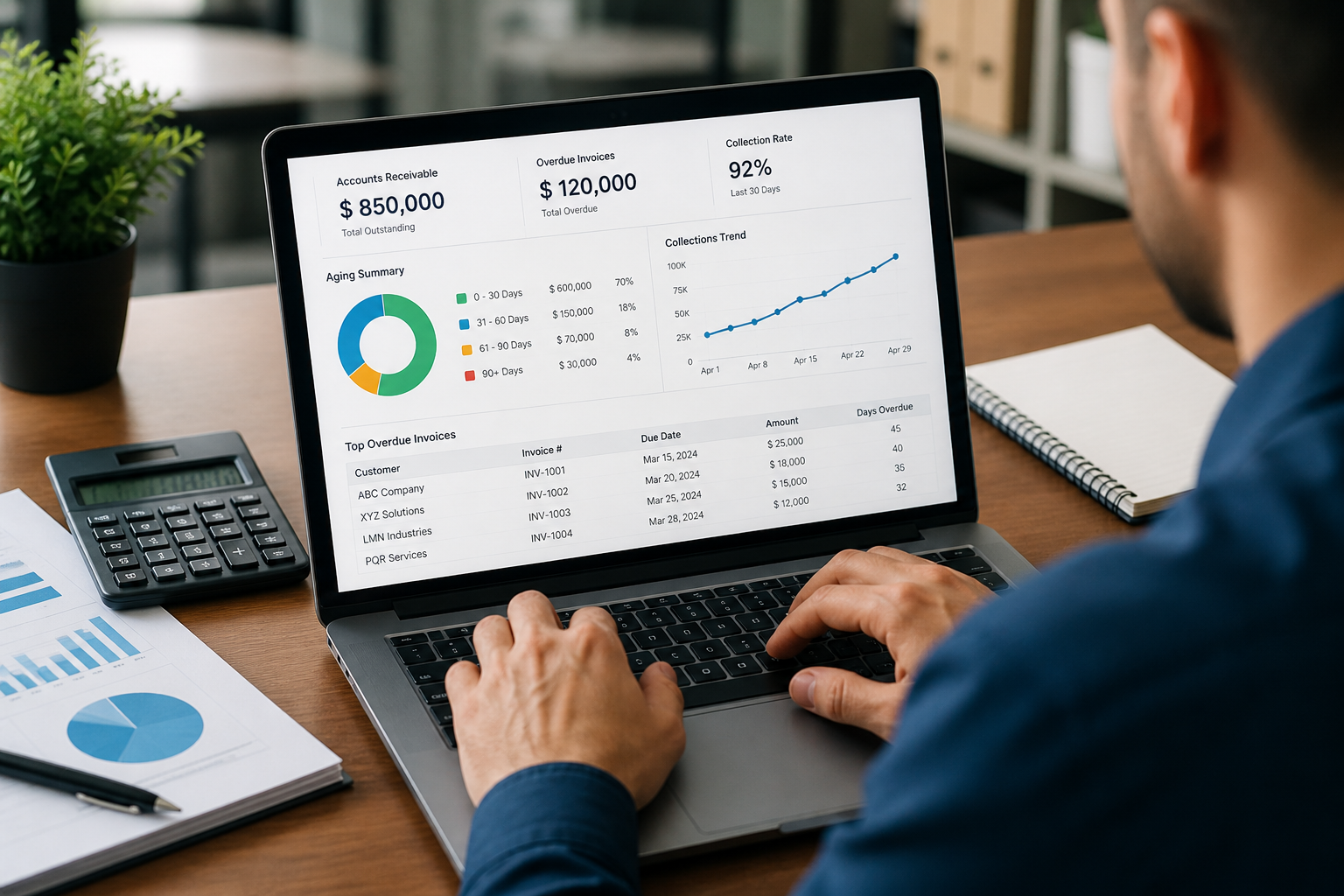
Cash flow is rarely the thing business owners plan to worry about. Yet for many UK SMEs, it becomes the quiet problem that keeps cropping up right when things should feel positive. You win new contracts. You send the invoice. Then you wait. And wait a bit longer.
Sound familiar?
If you have ever stared at an unpaid invoice while juggling payroll, VAT, or supplier bills, you have already felt the reason invoice financing exists.
What is invoice financing and why does it matter?
So, what is invoice financing? Invoice financing is a way to unlock the money tied up in your unpaid invoices. Instead of waiting 30, 60, or even 90 days for customers to pay, you receive most of that cash within days. The invoice itself becomes the asset that supports the funding.
It is not a loan in the traditional sense. There is no need to remortgage your home or explain last year’s dip in profit. The strength of your invoices and customers matters far more than historic balance sheets.
For growing UK businesses, this often feels less like borrowing and more like smoothing out the bumps that late payments cause.
Why unpaid invoices quietly strangle growing businesses
Late payments are more than an annoyance. They chip away at momentum.
A construction firm finishes a project on time, issues an invoice, then waits eight weeks. Meanwhile, materials need paying for the next job. Staff expect wages. Fuel prices have jumped again.
On paper, the business looks profitable. In reality, the bank balance tells a different story.
This is where invoice finance steps in. It bridges the gap between doing the work and getting paid for it.
How invoice financing actually works in practice
Once you issue an invoice to your customer, you submit it to your invoice finance provider. They advance a percentage of the invoice value, often up to 90 percent, usually within 24 hours.
When your customer eventually pays the invoice, the remaining balance is released to you, minus the agreed fee.
That is the core of it. No complicated hoops. No guessing when cash will land.
The simplicity is exactly why so many SMEs turn to Invoice finance when growth starts to outpace cash flow.
Invoice factoring vs invoice discounting: what is the difference?
This is where many directors pause and start asking sensible questions.
Invoice Factoring explained
With Invoice Factoring, the finance provider takes care of chasing payments from your customers. They collect the money directly on your behalf.
This can be a relief if credit control eats up time or feels uncomfortable. It also suits businesses that want a more hands off approach to managing receivables.
Customers know a third party is involved, which is usually not an issue in industries where factoring is common.
Invoice discounting explained
Invoice discounting is quieter. You keep control of your sales ledger and continue collecting payments as normal. The funding sits in the background.
This option appeals to established businesses with strong internal processes who prefer confidentiality.
Both options fall under the wider umbrella of invoice financing. Choosing between them comes down to control, visibility, and how involved you want to be.
Who uses invoice financing in the UK?
Invoice financing is not reserved for struggling businesses. In fact, many healthy, growing firms rely on it.
Recruitment agencies, logistics companies, manufacturers, wholesalers, and construction firms use it every day. Any business issuing invoices to other businesses can potentially benefit.
If your customers are solid and your invoices are genuine, invoice financing often makes sense regardless of size.
Common myths that still put business owners off
Some myths refuse to disappear.
One is that invoice finance signals trouble. In reality, many high growth companies use it specifically because demand is rising faster than cash.
Another is loss of control. With options like invoice discounting, control stays firmly with you.
Then there is the belief it is expensive. When compared to missed opportunities, strained supplier relationships, or personal stress, the cost often looks far more reasonable.
The real benefits beyond fast cash
Speed matters, but it is not the only advantage.
Invoice financing grows with you. As sales increase, funding increases automatically. No need to renegotiate limits every quarter.
It also improves financial stability. Knowing cash is coming allows better planning, calmer decision making, and stronger negotiating power with suppliers.
Many directors say the biggest benefit is mental. Less firefighting. More focus on running the business.
When invoice financing might not be the right fit
Honesty matters here.
If you mainly sell to consumers rather than other businesses, invoice financing is unlikely to apply. If your customers have poor payment histories, funding may be limited.
It is also not ideal for businesses issuing very small volumes of invoices or operating entirely on upfront payments.
A good provider will tell you this upfront rather than forcing a product to fit.
Choosing the right invoice finance partner
Not all providers are equal. Some feel transactional. Others understand the pressures of running a UK SME.
Look for transparency on fees, flexibility as you grow, and people who speak plainly rather than hiding behind jargon.
This is where working with specialists like Best Factoring makes a difference. Matching the right type of invoice finance to your business can change how it feels to run day to day.
Final thoughts: cash flow should not hold your business back
Growth should feel exciting, not stressful.
If unpaid invoices are slowing you down, invoice financing could be the missing piece that restores balance. It turns work already completed into working capital you can actually use.
If you want to explore Invoice finance, Invoice Factoring, or invoice discounting properly, without pressure or confusion, a conversation is often the best place to start.
Cash flow clarity has a habit of changing everything.
FAQs
1. What is invoice financing in simple terms?
Ans. It is a way to get paid faster by unlocking cash from unpaid invoices instead of waiting for customers to pay.
2. Is invoice financing a loan?
Ans. No. It is based on your invoices, not borrowing against property or long term debt.
3. Will my customers know I use invoice financing?
Ans. With Invoice Factoring, yes. With invoice discounting, usually no.
4. How quickly can I access funds?
Ans. Many businesses receive funds within 24 hours of submitting an invoice.
5. Is invoice financing suitable for small businesses?
Ans. Yes. Many UK SMEs use it to manage cash flow and support growth without taking on traditional loans.
Discover the Latest Trends
Stay informed with our latest articles and resources.